Class A vs Class B Asbestos Removal: What Applies to Auckland Homes?
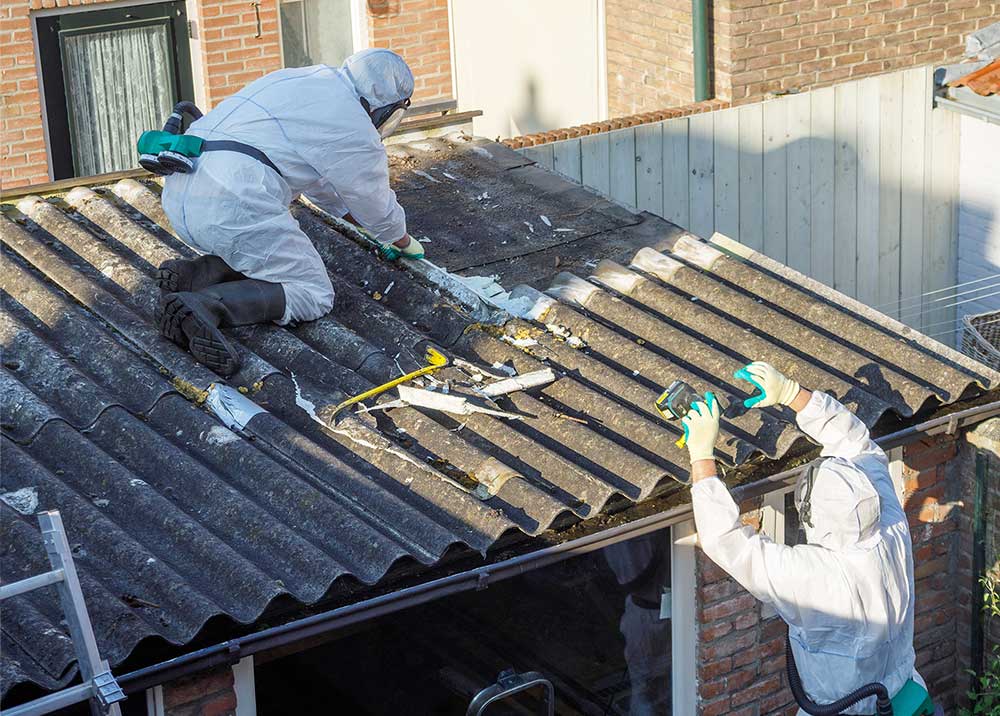
If you own or renovate a home in Auckland, you’ll hear the terms Class A and Class B asbestos removal thrown around a lot — often without explanation, and sometimes incorrectly.
This confusion costs homeowners time, money, and occasionally puts them on the wrong side of the law.
Here’s a plain-English breakdown of what Class A and Class B asbestos removal actually mean, which one applies to most Auckland homes, and why it matters under New Zealand law.
Why Asbestos Removal Is Split Into Classes at All
Not all asbestos behaves the same way.
Some asbestos materials:
-
Release fibres easily
-
Stay airborne longer
-
Pose higher immediate health risks
Others:
-
Are more stable
-
Only release fibres when broken or mishandled
The law separates removal work based on risk, not convenience. That’s where Class A and Class B come in.
Class A Asbestos: The High-Risk Stuff
Class A asbestos refers to friable asbestos — material that can be crumbled or reduced to powder by hand when dry.
Common examples (less common in houses, but not impossible):
-
Sprayed asbestos coatings
-
Asbestos insulation around pipes
-
Fireproofing materials
-
Damaged or badly deteriorated asbestos products
Once disturbed, this material releases fibres easily. That’s why Class A removal has the highest controls.
What the law requires for Class A:
-
A Class A licensed asbestos removalist
-
Strict containment and control measures
-
Highly controlled removal methods
-
Specialist training and equipment
Class A work is rarely DIY. In most cases, it’s not even a discussion.
Class B Asbestos: What Most Auckland Homes Contain
Class B asbestos covers non-friable asbestos — materials that are solid and bonded, but still dangerous if cut, snapped, drilled, or broken.
This is the type found in most Auckland residential properties.
Common Class B materials:
-
Asbestos cement cladding
-
Garage and shed roofs
-
Fences
-
Soffits and eaves
-
Backing boards
-
Vinyl floor tiles and adhesives
These materials don’t release fibres easily — until someone interferes with them.
Why Class B Still Has Serious Rules
Class B does not mean “low risk” or “safe”.
Once Class B materials are:
-
Cut
-
Broken
-
Sanded
-
Drilled
They can behave very much like friable asbestos.
That’s why removal is regulated — not left to judgement calls.
What the Law Says (Without the Legal Fog)
Health and Safety at Work Act 2015 (HSWA)
Under HSWA, anyone carrying out work must ensure they are not exposing people to serious health risks.
That includes:
-
Homeowners
-
Landlords
-
Builders and tradies
If asbestos is present and disturbed, the duty to manage that risk applies immediately.
Asbestos Regulations 2016
The Health and Safety at Work (Asbestos) Regulations 2016 explain:
-
What counts as asbestos work
-
When licensing is required
-
How removal must be done
-
How waste must be handled and disposed of
In real terms:
-
Most asbestos removal in Auckland homes is Class B
-
Many Class B jobs still require a licensed removalist
-
Disposal and handling are tightly controlled
Why Homeowners Often Get This Wrong
Common assumptions that cause trouble:
-
“It’s bonded, so it’s fine”
-
“It’s only a small area”
-
“I’ll just be careful”
-
“The builder said it was okay”
None of these override the regulations.
Risk is measured by exposure, not intent.
How Class A and B Affect Cost and Planning
Knowing the correct class matters because it affects:
-
Who is legally allowed to remove it
-
The removal method
-
Site controls
-
Disposal requirements
-
Overall cost and timeframe
Getting the class wrong often means:
-
Stopping work halfway through
-
Re-doing removal properly
-
Paying twice
Why Auckland Homeowners Use PropertyHelp Ltd
This is why many homeowners engage PropertyHelp Ltd before work starts.
PropertyHelp Ltd:
-
Identifies whether asbestos is Class A or Class B
-
Explains obligations clearly, without jargon
-
Carries out compliant Class B asbestos removal
-
Manages disposal correctly and legally
-
Prevents renovation delays and compliance headaches
Good asbestos management happens before the tools come out.
The Bottom Line
For Auckland homes:
-
Class B asbestos is by far the most common
-
Class A asbestos is rarer, but higher risk
-
Both are regulated
-
DIY assumptions create problems fast
Understanding the difference between Class A and Class B isn’t academic — it’s the line between a smooth renovation and a costly mess.
Unsure which class applies to your home?
Before you cut, pull, or demolish anything, talk to PropertyHelp Ltd Auckland. Knowing what you’re dealing with upfront is cheaper, safer, and legally smarter.
