HAZSUBS Compliance for Dairy, Sheep, and Beef Farms: What’s Different and What’s Not
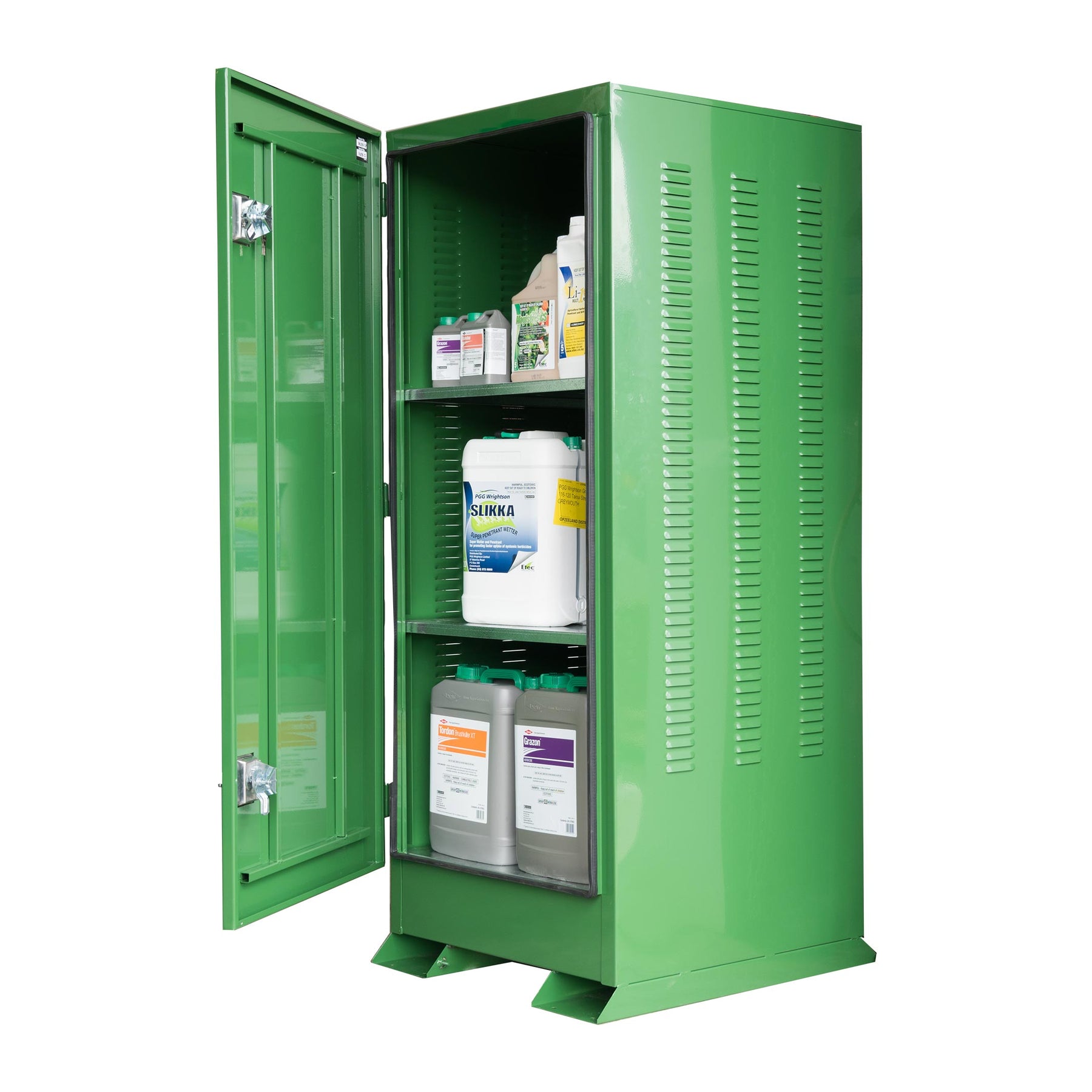
Hazardous substances compliance on farms is often talked about like it’s one-size-fits-all.
It isn’t.
Yes, dairy, sheep, and beef farms in New Zealand all sit under the same HSNO and health & safety rules — but the risk profile, the chemicals in play, and the inspection focus shift depending on what you farm and how you operate.
This guide explains what’s genuinely different, what’s exactly the same, and how platforms like ChemMatrix can support farmers across all sectors — especially when used alongside Halter.
No buzzwords. No clipboard theatre. Just how it actually works on farm.
First: What Never Changes (No Matter the Farm Type)
Let’s get this clear upfront.
Whether you milk cows, run ewes, or finish beef, the core HAZSUBS obligations are the same:
All farms must:
-
Know what hazardous substances are on site
-
Keep a current hazardous substances (chemical) register
-
Hold up-to-date Safety Data Sheets (SDS)
-
Store chemicals safely and appropriately
-
Ensure people know what they’re handling
-
Prevent spills, mixing, and unauthorised access
The law doesn’t care what stock you run.
It cares whether chemicals are controlled.
Where Dairy Farms Are Different
Dairy farms typically attract more scrutiny, not because they’re worse — but because they’re more complex.
Common dairy-specific risk factors:
-
Larger volumes of chemicals
-
Regular use of cleaning and sanitising agents
-
Effluent and wash-down chemicals
-
More staff, including seasonal and relief workers
-
Greater interface with milk processing standards
This means inspectors often focus on:
-
Chemical registers being current
-
SDS availability for cleaning and dairy shed chemicals
-
Storage near waterways and effluent systems
-
Staff awareness and training
Dairy farms usually don’t fail because they lack systems — they fail because systems drift.
Sheep Farms: Fewer Chemicals, Different Risks
Sheep farms often assume HAZSUBS compliance “doesn’t really apply” to them.
That’s where problems start.
Common sheep farm substances:
-
Drenches and animal health products
-
Herbicides for weeds
-
Fuel and oils
-
Workshop chemicals
Lower volume doesn’t mean lower obligation.
Inspectors tend to look for:
-
Chemicals stored in multiple sheds
-
Old or discontinued products still on site
-
Missing SDS
-
Decanted or unlabelled containers
Sheep farms don’t get caught by scale — they get caught by spread.
Beef Farms: Similar to Sheep, But With Infrastructure Risk
Beef farms often sit between sheep and dairy in complexity.
Typical beef farm risks include:
-
Fuel storage (diesel tanks)
-
Machinery oils and greases
-
Weed control chemicals
-
Contractors bringing substances onto site
The compliance challenge is often visibility:
-
What’s on site today vs what was there last season
-
Who brought what
-
Where it’s stored
If chemicals move faster than the register, compliance slips.
What Inspectors Actually Want (Across All Farm Types)
Despite the myths, inspectors aren’t looking to trip farmers up.
They want to see:
-
One clear chemical register
-
Matching SDS
-
Logical, safe storage
-
Evidence you know what’s on your farm
If you can show that calmly and quickly, inspections tend to stay calm and quick.
Why Paper Registers Struggle on Farms
Across dairy, sheep, and beef farms, paper-based systems fail because:
-
Chemicals change seasonally
-
Products get added “temporarily”
-
SDS go missing
-
Responsibility sits with one person
Compliance that lives in someone’s head doesn’t survive pressure.
How ChemMatrix Helps Across All Farm Types
This is where ChemMatrix fits, regardless of stock type.
ChemMatrix helps farms:
-
Maintain a live digital chemical register
-
Link every product to the correct SDS
-
Remove outdated substances easily
-
Show compliance instantly during inspections
-
Reduce reliance on memory and paper folders
Same platform. Different farms. Same clarity.
Can ChemMatrix Work Alongside Halter?
Yes — and it’s a clean fit.
Halter already helps farmers manage:
-
Stock movement
-
Grazing plans
-
Day-to-day operational decisions
ChemMatrix complements this by managing:
-
HAZSUBS compliance
-
Chemical visibility
-
Documentation and evidence
In plain terms:
-
Halter helps run the farm
-
ChemMatrix helps prove the farm is safe and compliant
Different jobs. Same modern farming reality.
Make Enquiry