Class A vs Class B Asbestos Removal in NZ – What Tradies Must Know
Class A vs Class B Asbestos Removal in NZ: What Tradies Need to Know Before Touching It


 4
4
Every tradie working on older buildings in New Zealand will eventually run into asbestos. It’s baked into the bones of thousands of houses, sheds, garages, and commercial buildings built before the late 1990s.
But here’s where things get confusing for many builders, roofers, and demolition contractors:
Not all asbestos removal is the same.
In New Zealand asbestos work is divided into Class A and Class B removal. And the moment you cross into either category, the job becomes regulated under the Health and Safety at Work (Asbestos) Regulations 2016.
Understanding the difference isn’t just good practice — it protects your licence, your workers, and your business.
Let’s break it down in plain language.
The Two Types of Asbestos Removal in NZ
Class A Asbestos Removal
Class A covers friable asbestos.
“Friable” means the material can be crushed or turned to dust easily by hand pressure. When that happens, fibres become airborne very quickly.
Common examples include:
- Pipe lagging
- Sprayed asbestos insulation
- Asbestos fireproofing
- Asbestos insulation board that has deteriorated
- Asbestos debris after fire damage
Class A removal is the highest risk category.
It requires:
- Fully licensed Class A removalists
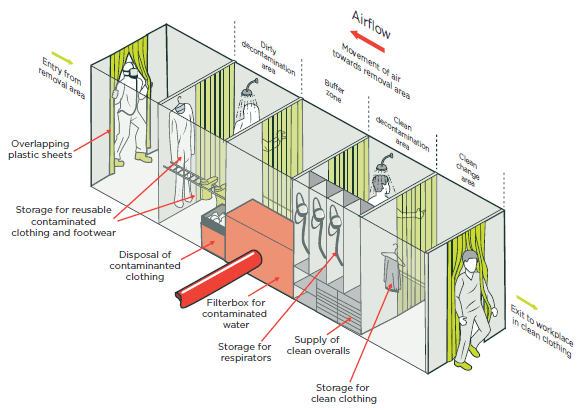
- Controlled enclosures
- Negative pressure units
- Air monitoring
- Decontamination units
This work is highly specialised and strictly regulated.
Tradies should never attempt this type of work themselves.
Class B Asbestos Removal
Class B removal covers non-friable asbestos (also called bonded asbestos).
This is the most common type found in residential and light commercial buildings.
Typical materials include:
- Exterior asbestos cladding
- Fibre cement sheets
- Soffits and eaves
- Corrugated asbestos roofing
- Asbestos fences
- Vinyl floor tiles
These materials contain asbestos fibres bonded into cement.
They are safer when intact — but once cut, broken, or drilled they release fibres.
If more than 10 square metres of non-friable asbestos needs to be removed, it must be done by a licensed Class B asbestos removal company.
Why Tradies Get Caught Out
A lot of asbestos work looks deceptively simple.
A few cladding sheets.
A garage roof.
Old soffits around the house.
But the moment you disturb those materials, the regulations kick in.
Tradies can run into trouble by:
- Removing asbestos without a licence
- Breaking sheets during removal
- Not using correct PPE or wet methods
- Disposing of asbestos incorrectly
- Exceeding the 10sqm limit
And when regulators get involved, the consequences can include:
- WorkSafe investigations
- Site shutdowns
- Fines
- Insurance problems
- Environmental liability
It’s simply not worth the risk.
Why Smart Tradies Work With Licensed Removalists
This is where experienced asbestos removal companies step in.
Companies like Propertyhelp Ltd specialise in Class B asbestos removal, handling the materials tradies encounter most often on construction sites.
Instead of guessing where the legal line sits, tradies can bring in licensed specialists to deal with the asbestos safely.
What a Class B Removal Company Actually Does
A licensed Class B removal company will:
- Identify asbestos-containing materials
- Develop safe removal procedures
- Use controlled wet removal methods
- Provide proper respiratory protection and PPE
- Prevent fibre spread across the site
- Package and label asbestos waste correctly
- Transport and dispose of waste at approved landfills
- Provide documentation proving compliant removal
That paperwork alone can save a lot of headaches if questions ever arise later.
The Real Business Benefit
Working with a licensed asbestos removal company protects more than your workers.
It protects:
- Your business reputation
- Your insurance coverage
- Your clients’ confidence
- Your site safety culture
- Your ability to keep working without disruption
And it keeps asbestos risk away from your crew.
How Experienced Tradies Handle Asbestos
On well-run projects the workflow usually looks like this:
- Suspected asbestos identified
- Material tested or assumed present
- Licensed removalist engaged
- Asbestos removed safely under Class A or B procedures
- Waste disposed of legally
- Site cleared and handed back
- Tradies continue construction work
That separation of responsibility keeps everyone safe and compliant.
Final Word for Tradies
Asbestos isn’t going away anytime soon. It’s still hiding in thousands of buildings across New Zealand.
Knowing the difference between Class A and Class B asbestos removal helps tradies avoid serious compliance issues.
If asbestos removal is required, working with professionals like Propertyhelp Ltd ensures the job is done safely, legally, and without risking your business.
Tradies build the future.
Licensed asbestos removalists deal with the past.
Make Enquiry