Professional Asbestos Testing Auckland: What Homeowners Need to Know Before Renovating
Asbestos is a mineral that was commonly used in construction materials until the 1980s, including in ceiling tiles, insulation, and popcorn ceilings. However, it was later discovered that asbestos exposure can lead to serious health risks, including lung cancer, mesothelioma, and asbestosis. As a result, testing sites for asbestos are crucial to ensure the safety of occupants in buildings.
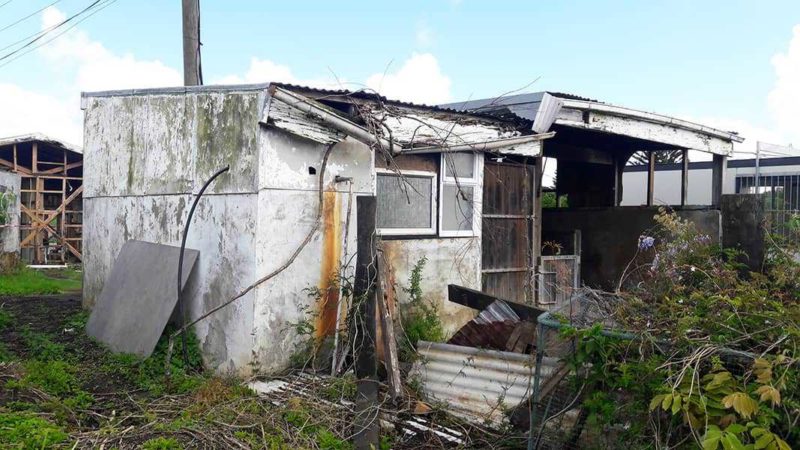
Site Testing: What Every Auckland Homeowner Should Know About Professional Asbestos Testing
No Nonsense, Just Facts
If your Auckland home was built before the 1990s, there is a fair chance asbestos could be hiding somewhere in the building.
Not always.
Not everywhere.
But often enough that guessing is a mug’s game.
Asbestos was used in many New Zealand building products because it was strong, fire-resistant, cheap, and easy to work with. The problem is that when asbestos-containing material is disturbed, it can release tiny fibres into the air. Those fibres can be breathed in and may cause serious diseases, including asbestosis, lung cancer, and mesothelioma.
That is why professional asbestos testing matters.
Before you renovate, demolish, reclad, repaint, cut into walls, remove old lino, pull down ceilings, or replace roofing, you need to know what you are dealing with.
No guesswork.
No “my mate reckons.”
No ripping into it with a crowbar and hoping for the best.
Why Asbestos Testing Is So Important
You cannot reliably identify asbestos by looking at it.
A sheet of asbestos cement can look like ordinary fibre cement. Old vinyl flooring can look harmless. Textured ceilings can just look ugly. Soffits, cladding, roof sheets, pipe lagging, backing boards, and old adhesive can all blend into the background.
The only reliable way to confirm whether a material contains asbestos is to have a sample analysed. Under the Health and Safety at Work (Asbestos) Regulations 2016, where a PCBU arranges asbestos sample analysis, the sample must be analysed by an accredited laboratory.
For homeowners, the message is simple: test before you disturb.
Common Places Asbestos May Be Found in Auckland Homes
Asbestos can turn up in all sorts of places, especially in homes built or renovated before the late 1980s and early 1990s.
Common asbestos-containing materials may include:
- Exterior cladding
- Asbestos cement roofing
- Super Six roofing
- Soffits and eaves
- Old fence panels
- Textured or stipple ceilings
- Vinyl floor tiles
- Old lino backing
- Tile adhesive
- Wall linings in wet areas
- Garage and shed wall sheets
- Fuse boards and backing boards
- Hot water cupboard linings
- Pipe insulation
- Old fireplace surrounds
Some asbestos materials are low risk if they are in good condition and left alone. The danger increases when they are drilled, cut, sanded, broken, scraped, water-blasted, or demolished.
That is usually when a simple home project turns into a proper problem.
When Should You Get Asbestos Testing Done?
You should consider professional asbestos testing before:
- Buying an older house
- Starting renovations
- Removing walls, ceilings, cladding, roofing, flooring, or fencing
- Replacing old lino or vinyl flooring
- Recladding or reroofing
- Installing new windows or doors
- Doing bathroom or kitchen renovations
- Demolishing a garage, shed, sleepout, or house extension
- Renting or managing older property where trades may work
- Selling a home and wanting fewer surprises for buyers
Testing is especially important before any work that creates dust.
The bad jobs are not always the big jobs. Sometimes it is one person with a drill, grinder, sander, or scraper who causes the mess.
What Happens During Professional Asbestos Testing?
A professional asbestos testing process is usually straightforward.
1. Site Inspection
A competent person inspects the property and identifies materials that may contain asbestos. They look at the age of the home, building products, locations, condition, and whether future work may disturb the material.
2. Safe Sampling
Small samples are taken carefully from suspect materials. The aim is to collect enough material for testing without spreading dust or contamination.
This is not something you should do casually with a pocketknife and a sandwich bag.
3. Laboratory Analysis
The sample is sent to a suitable accredited laboratory for analysis. The lab confirms whether asbestos is present and may identify the type of asbestos.
4. Results and Advice
Once the results come back, you can make proper decisions. The material may be:
- Asbestos-containing
- Non-asbestos
- Needing further investigation
- Safe to leave in place if undisturbed
- Requiring removal before renovation or demolition
This is where testing pays for itself. You get facts instead of fear.
Asbestos Testing vs Asbestos Survey: What Is the Difference?
Homeowners often mix these up.
Asbestos testing usually means taking one or more samples of specific materials to confirm whether asbestos is present.
An asbestos survey is broader. It involves inspecting a property or work area to identify asbestos-containing materials, assess their condition, and record where they are. WorkSafe released updated asbestos guidance in 2026, including good practice guidance for asbestos surveys.
For a small job, testing one material may be enough.
For renovation, demolition, rental property management, commercial work, or larger projects, a more detailed asbestos survey may be the smarter option.
Can You Take Your Own Asbestos Sample?
Some homeowners try to save money by taking their own sample.
Here is the no-nonsense answer: it is not recommended unless you know exactly what you are doing and can control the risk.
Taking a sample means disturbing the material. If it contains asbestos, fibres may be released. If the material is fragile, dusty, damaged, or in a ceiling, flooring, insulation, or pipe lagging area, the risk can be higher.
A professional knows how to wet the area, isolate the sample point, use suitable PPE, seal the sample, clean the area, label the sample, and avoid spreading contamination.
A cheap sample taken badly can become an expensive cleanup.
What If the Test Comes Back Positive?
Do not panic.
A positive asbestos result does not always mean your house is unsafe. Asbestos is usually most dangerous when it is damaged or disturbed.
The next step is to decide whether to:
- Leave it in place and manage it
- Seal or protect it
- Remove it before work starts
- Arrange licensed asbestos removal
- Update your renovation or demolition plan
If the material is in good condition and will not be disturbed, management may be suitable.
If it is going to be cut, broken, removed, drilled, sanded, or demolished, then removal or strict controls may be needed.
Who Can Remove Asbestos in New Zealand?
This depends on the type and amount of asbestos.
WorkSafe guidance explains that more than 10m² of non-friable asbestos must be removed by a licensed asbestos removalist, and any amount of friable asbestos must be removed by a Class A licensed asbestos removalist.
Non-friable asbestos is usually bonded into a solid product, such as asbestos cement sheet. Friable asbestos can crumble or release fibres more easily and is higher risk.
Textured ceilings, pipe lagging, damaged materials, and dusty asbestos contamination may need specialist advice before anyone touches them.
The Real Cost of Not Testing
Skipping asbestos testing may feel like saving money at the start.
But if asbestos is disturbed, the costs can stack up quickly:
- Work stops immediately
- Builders or trades may walk off site
- Contaminated dust may spread
- Cleanup costs increase
- Disposal becomes more complicated
- Neighbours may complain
- Renovation timeframes blow out
- You may need professional decontamination
- The property may need clearance before work continues
A simple test before the job starts is usually far cheaper than dealing with contamination after the fact.
Asbestos is one of those things where the cowboy option can bite hard.
What Should Auckland Homeowners Do Before Renovating?
Before you start work, follow this simple process:
- Check the age of the home
- Identify areas being disturbed
- Get suspect materials tested
- Wait for the results
- Plan the job properly
- Use licensed asbestos removal where required
- Dispose of asbestos waste legally
- Keep records for future owners, trades, or property managers
That little bit of planning can protect your family, your contractors, your neighbours, and your wallet.
How Safety 1st Removals Can Help
Safety 1st Removals helps Auckland and Waikato homeowners understand and manage asbestos risks before renovation, demolition, recladding, reroofing, or repair work begins.
We can help with:
- Asbestos testing advice
- Site inspections
- Identifying suspect asbestos materials
- Removal planning
- Deconstruction advice
- Asbestos management planning
- Safe disposal guidance
- Support for homeowners, landlords, builders, and property managers
Before you cut, scrape, sand, drill, or demolish, get the facts.
Because when it comes to asbestos, guessing is not a plan.
Final Word
Professional asbestos testing is not about scaring homeowners. It is about giving them straight answers before work starts.
If the material is asbestos, you can deal with it properly.
If it is not asbestos, you can move on with confidence.
Either way, you win.
Test first. Renovate second. Breathe easier.