Asbestos Fence Removal in NZ – What Tradies Must Know About Class B Rules
Asbestos Fence Removal in NZ: The Job That Looks Small but Isn’t

 4
4
You’ve seen them.
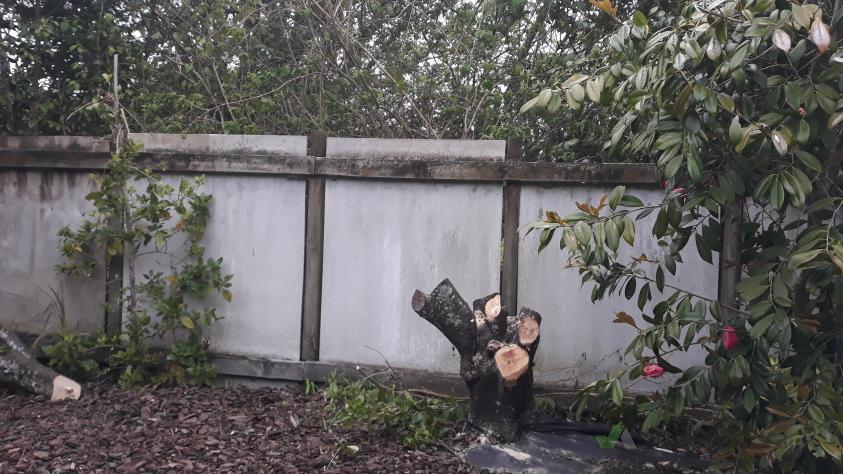
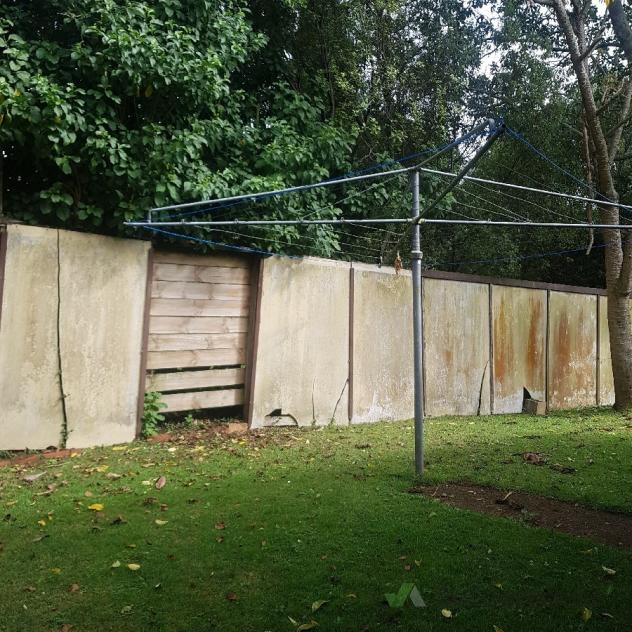
Old grey fibre cement fence panels. Flat sheets bolted between timber or steel posts. Been there for decades. Usually brittle. Usually cracked. Usually “not that big a deal.”
Until someone says:
“Can you just pull that fence down while you’re here?”
If it’s an old fibre cement fence, there’s a very real chance it contains asbestos. And once you start unbolting, snapping, or dropping panels, you’re no longer doing fencing work.
You’re doing regulated asbestos removal in New Zealand.
Let’s break down the rules around asbestos fence removal, and why bringing in a licensed Class B removal company like Propertyhelp Ltd is often the smartest move you can make.
No scare tactics. Just the straight facts.
First Rule: Assume Asbestos if It’s Old
If the fence was installed before 2000 and it’s fibre cement sheet, assume it contains asbestos unless testing proves otherwise.
Common asbestos fence types:
- Flat fibre cement boundary fences
- Corrugated cement sheet fences
- Garage and side-yard partitions
- Old farm boundary panels
You cannot identify asbestos by eye.
If it hasn’t been tested, legally it’s assumed present.
Why Asbestos Fences Are Risky
People think fences are low-risk because they’re outside.
But asbestos fence removal often involves:
- Unbolting or prying sheets off posts
- Handling brittle, weathered panels
- Wind spreading fibres
- Neighbours nearby
- Public footpaths close to the work
Drop one brittle sheet on concrete and it can shatter. Once that happens, fibre control becomes a problem.
What the NZ Law Says About Asbestos Fence Removal
Under the Health and Safety at Work Act 2015 and the Asbestos Regulations 2016, asbestos fence panels are considered non-friable asbestos-containing material (ACM).
Here’s what matters for tradies:
- Asbestos must be identified before removal
- Removal of more than 10sqm of non-friable asbestos requires a licensed Class B asbestos removalist
- Work must use controlled methods
- Sheets should be removed intact where possible
- Proper PPE and respiratory protection must be worn
- Waste must be wrapped, labelled, and disposed of legally
If you remove more than 10sqm without a Class B licence, you’re in breach of regulations.
And most fence runs exceed 10sqm very quickly.
What Tradies Should NOT Do
Let’s be honest. This is where people get caught.
Do not:
- Smash sheets to make them easier to remove
- Use grinders to cut fixings
- Drop sheets into a skip
- Break panels to fit a trailer
- Transport uncovered asbestos fencing
- Let labourers “just pull it down carefully”
Even outside, fibres spread.
And if neighbours complain or WorkSafe gets involved, it becomes a serious issue fast.
When Fence Removal Becomes Class B Work
Most asbestos fence jobs qualify as Class B asbestos removal because:
- The area exceeds 10sqm
- Sheets are brittle and likely to crack
- Fixings require disturbance
- Public exposure risk exists
If it’s more than a couple of panels, it’s usually licensed territory.
Why Using Propertyhelp Ltd Makes Business Sense
Propertyhelp Ltd holds a Class B asbestos removal licence, meaning they are legally authorised to remove asbestos fence panels in NZ.
Here’s what that gives you:
- Licensed Class B asbestos fence removal
- Controlled wet removal techniques
- Correct PPE and decontamination
- Safe handling to prevent breakage
- Compliant asbestos waste disposal
- Documentation that protects you
They take on the regulated risk.
You stay focused on your actual trade.
The Real Cost of Getting It Wrong
If asbestos fence removal is done incorrectly:
- WorkSafe can shut the job down
- Clean-up costs can exceed the job value
- Insurance may not respond
- Neighbour complaints escalate quickly
- Your business reputation takes a hit
What looks like a small fencing job can turn into a very expensive mistake.
How Smart Tradies Handle Asbestos Fences
Professional workflow looks like this:
- Identify suspect fibre cement fence
- Confirm asbestos through testing
- Engage Propertyhelp Ltd for Class B removal
- Panels removed intact under controlled conditions
- Waste wrapped and legally disposed
- Site cleared
- New fence installed safely
Clean separation of responsibility.
Clean project management.
Final Word for Tradies
Asbestos fence removal in NZ isn’t just another demolition task.
Once the area exceeds 10sqm — and it usually does — it becomes licensed Class B asbestos removal.
If you want to protect your workers, your insurance, and your business, bring in professionals like Propertyhelp Ltd to handle the asbestos properly.
Pull down timber.
Build new fencing.
Leave asbestos to the licensed experts.
Make Enquiry