Hazardous Substances Compliance for NZ Farmers – Why a Gap Analysis Is the Smart First Step
Hazardous Substances on Farms: Why Knowing Your Gaps Is the Difference Between “All Good” and a WorkSafe Visit
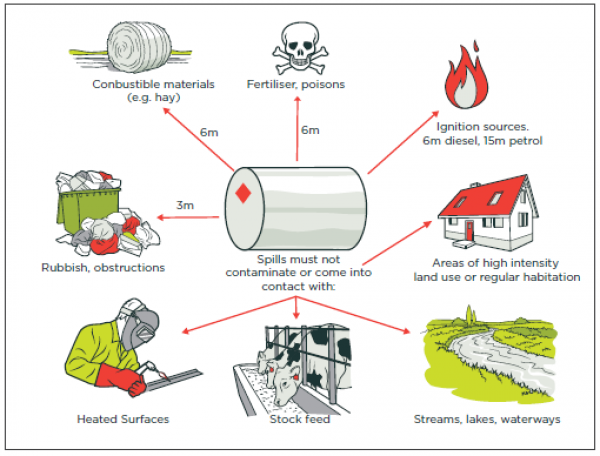

4
On most farms, hazardous substances aren’t stored in one neat place with a flashing warning sign. They’re spread out — a drum here, a spray shed there, fuel tanks by the yard, cleaners in the dairy, old chemicals tucked behind a door that hasn’t been opened in years.
That’s exactly why Hazardous Substances (HazSubs) compliance trips farmers up.
Not because farmers don’t care — but because the rules are scattered, technical, and written by people who don’t run farms.
This article explains what HazSubs compliance actually means on a New Zealand farm, why guessing is risky, and how doing a gap analysis gives you a clear, honest picture of where you stand. We’ll also explain how working with professionals like ChemMatrix can turn a compliance headache into something practical and manageable.
Hazardous substances are everywhere on farms (whether you call them that or not)
If you farm in NZ, you’re dealing with hazardous substances. Full stop.
That includes:
- Fuels (diesel, petrol, oils)
- Agricultural chemicals (herbicides, insecticides, fungicides)
- Drenches and animal remedies
- Fertilisers and additives
- Acids and alkalis used in dairy sheds
- Cleaning chemicals and sanitisers
- Gases and aerosols
- Old or discontinued products still sitting around “just in case”
If it can burn, poison, corrode, explode, or harm people or the environment — it’s a hazardous substance under the HSNO regulations.
What “HazSubs compliance” actually means on a farm
Compliance isn’t about ticking one box. It’s about having systems that work on your farm, with your people.
At a minimum, farms are expected to have:
- A current inventory of hazardous substances
- Safety Data Sheets (SDS) that are accessible
- Correct storage and segregation
- Secondary containment where required
- Clear labelling
- Signage in the right places
- Emergency spill response plans
- People trained to handle what they’re using
- Controls to protect waterways, stock, and soil
Miss a few of these, and you’re exposed — even if nothing’s gone wrong yet.
The problem: most farms don’t know where the holes are
Here’s the hard truth:
Most farms think they’re “mostly compliant” — until someone asks the wrong question.
Common blind spots:
- SDS are outdated or missing
- Chemical registers don’t match what’s actually on site
- Fuel storage doesn’t meet secondary containment rules
- Staff and contractors aren’t trained or recorded
- Old chemicals are stored but never assessed
- Emergency plans exist in someone’s head, not on paper
That’s where a Hazardous Substances gap analysis comes in.
What a HazSubs gap analysis actually does
A gap analysis is not an audit designed to catch you out.
It’s a reality check.
A proper gap analysis:
- Looks at what hazardous substances you actually have
- Compares your current setup against legal requirements
- Identifies gaps, risks, and priorities
- Separates “must fix now” from “can improve over time”
- Gives you a clear roadmap to compliance
Instead of guessing, you get clarity.
Why guessing your way through HazSubs compliance is risky
WorkSafe doesn’t care if you didn’t know.
Insurance doesn’t care if “it’s always been that way”.
The environment definitely doesn’t care.
The risk isn’t just fines — it’s:
- Injured staff or family members
- Contaminated land or waterways
- Fires or chemical reactions
- Shut-downs during inspections
- Stress when someone finally asks for proof
Compliance done late is always more expensive than compliance done properly.
How ChemMatrix helps farmers make sense of it all
ChemMatrix is built specifically to help farmers understand, manage, and stay on top of HazSubs compliance without drowning in paperwork.
What ChemMatrix brings to the table
- Plain-language guidance tailored to farms
- Digital hazardous substance registers
- SDS management that actually stays current
- Gap analysis support so you know where you stand
- Practical advice, not clipboard theory
- Ongoing compliance support as things change
ChemMatrix doesn’t just tell you what’s wrong — it helps you fix it, step by step, in a way that fits farm life.
The real benefit of doing this properly
Farmers who understand their HazSubs risks:
- Sleep better
- Reduce injury risk
- Protect their land and stock
- Avoid nasty surprises from regulators
- Run a tighter, safer operation
And once the gaps are closed, compliance becomes maintenance, not panic.
Final word for farmers
Hazardous substances aren’t going away. The rules aren’t getting simpler. And hoping no one looks closely is not a strategy.
A HazSubs gap analysis gives you the truth — not judgement, not fear, just facts. And working with professionals like ChemMatrix means you don’t have to walk that road alone.
Know where the holes are. Then close them — properly.
Make Enquiry