HSWA 2015 for Tradies – Understanding Your Health & Safety Obligations
HSWA 2015 for Tradies: The Rules of the Road on a Worksite
 4
4
Most tradies in New Zealand know the basics of safety. Hard hat on. Boots laced. Watch your mate’s back when lifting something heavy. That kind of thing.
But the Health and Safety at Work Act 2015 (HSWA) goes deeper than common sense. It sets the legal expectations for how work should be planned, managed, and carried out safely.
For tradies running their own business or supervising work on site, understanding these obligations isn’t optional — it’s part of doing business in the construction industry.
And here’s the reality: many good operators are doing most of the right things already, but they don’t have the systems or documentation to prove it.
That’s where a Health and Safety gap analysis can make a big difference.
What the HSWA 2015 Actually Means for Tradies
Under the HSWA 2015, anyone running a business or undertaking work is considered a PCBU (Person Conducting a Business or Undertaking).
For tradies, that includes:
- Builders
- Roofers
- Electricians
- Plumbers
- Demolition contractors
- Landscaping contractors
- Small construction companies
If you employ workers, subcontract others, or run jobs on your own account, you have responsibilities under the Act.
Your Main Obligations Under HSWA
At its core, the HSWA requires PCBUs to ensure the health and safety of workers and others affected by the work, so far as is reasonably practicable.
In plain language, that means tradies must:
1. Identify hazards and risks
You need to know what can cause harm on your job.
Examples include:
- Working at height
- Power tools
- Heavy lifting
- Hazardous substances
- Traffic on site
Once the risks are identified, they need to be managed.
2. Put controls in place
Controls reduce the risk of harm.
This might include:
- Safe work procedures
- Scaffolding and fall protection
- PPE such as helmets, respirators, and harnesses
- Isolation of hazardous equipment
- Traffic management plans
Controls should be practical and actually used on site.
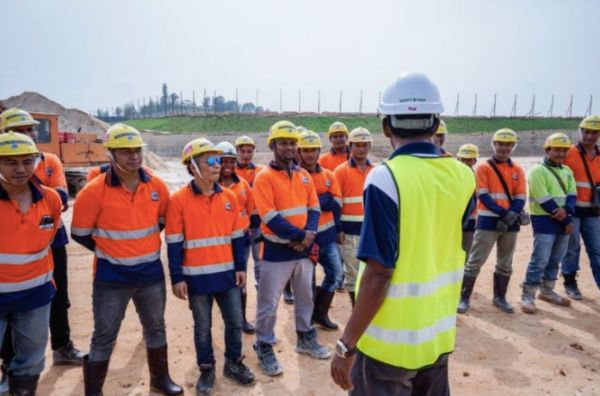
3. Provide training and supervision
Workers need to know how to do the job safely.
That includes:
- Toolbox meetings
- Site inductions
- Equipment training
- Clear communication of hazards
Good supervision also prevents shortcuts that can lead to accidents.
4. Engage with workers
HSWA places strong emphasis on worker participation.
Workers should be able to:
- Raise safety concerns
- Suggest improvements
- Report hazards or near misses
A safe workplace is usually one where people feel comfortable speaking up.
5. Maintain safe equipment and systems
Tools, machinery, and systems need to be maintained.
That includes:
- Equipment checks
- Electrical testing
- Scaffold inspections
- Vehicle maintenance
A broken tool can quickly become a serious hazard.
The Problem Many Tradies Face
Many tradies already run safe sites.
But when someone asks for proof — things can get shaky.
Common gaps include:
- No documented hazard register
- Out-of-date Safe Work Method Statements
- Missing training records
- Limited site safety plans
- No formal incident reporting system
The work might be safe, but the system behind it is incomplete.
That’s where a gap analysis helps.
What a Health & Safety Gap Analysis Does
A Health & Safety Management System gap analysis reviews your current systems against the expectations of HSWA and good industry practice.
It identifies:
- What you already do well
- What documentation is missing
- Where procedures need improvement
- Where compliance risks exist
Instead of guessing, you get a clear roadmap for improvement.
Why Working With a Professional Consultant Helps
This is where experienced consultants come in.
Companies like Auditsure specialise in helping tradies and construction businesses strengthen their health and safety systems.
By working with professionals, tradies can:
- Review their current H&S management system
- Undertake a structured gap analysis
- Build practical safety procedures
- Align their systems with HSWA requirements
- Improve site safety culture
The goal isn’t to bury people in paperwork.
It’s to build systems that actually work on a job site.
The Real Benefits for Tradies
Getting your health and safety systems sorted delivers real benefits:
- Fewer injuries
- Stronger reputation with clients
- Less stress during inspections
- Better insurance confidence
- More organised job sites
It also shows workers that their safety is taken seriously.
Final Word
Construction is one of the most high-risk industries in New Zealand. The HSWA 2015 exists to make sure everyone goes home safe at the end of the day.
For tradies, understanding your obligations is the first step.
A Health & Safety gap analysis shows where your systems stand today.
And with support from experienced consultants like Auditsure, you can strengthen your health and safety management system and build a safer, more professional business.
Because good tradies don’t just build structures.
They build safe workplaces.
Make Enquiry