Asbestos Soffits & Fibre Cement Sheets in NZ – What Tradies Must Know About Class B Removal
Asbestos Soffits & Fibre Cement Sheets: The Overhead Job That Can Land You in Trouble

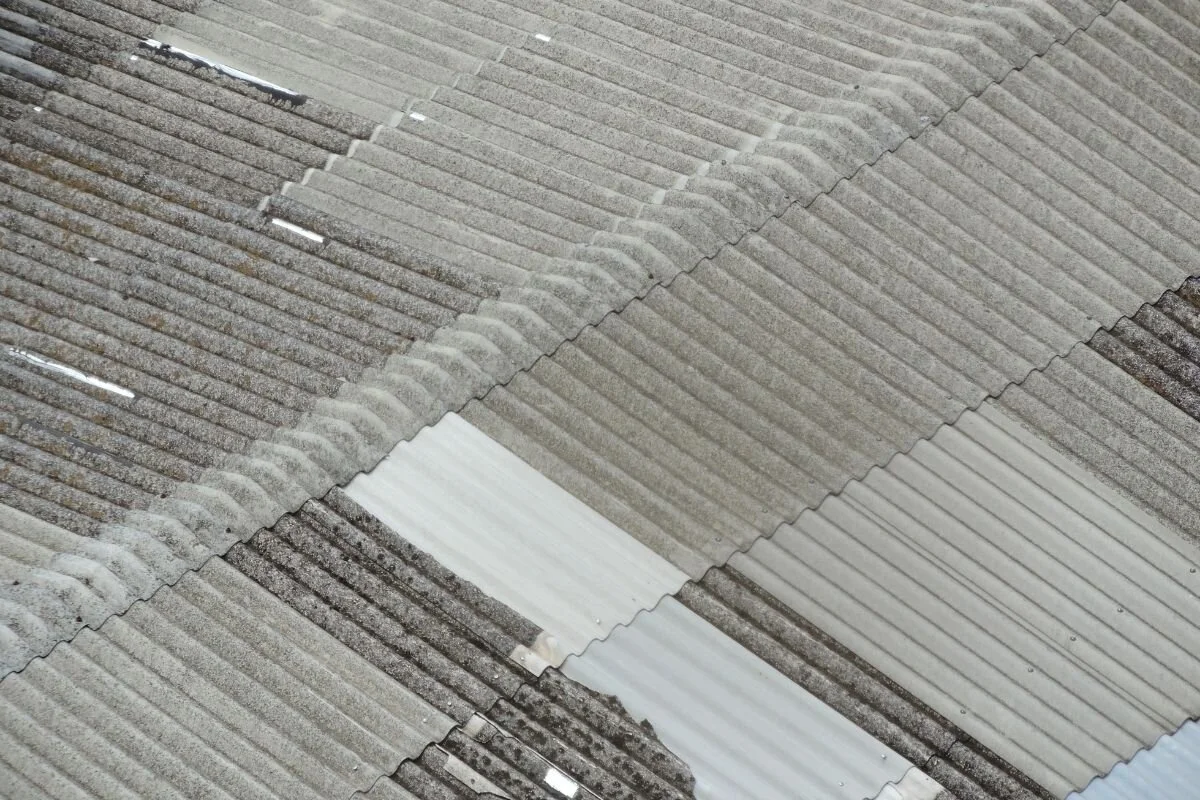
4
If you’re a roofer, builder, gutter installer, painter, or sparky working on older homes in NZ, listen up:
Exterior soffits and fibre cement sheets are one of the most common asbestos traps in residential work.
They look harmless. Thin. Chalky. Easy to remove.
Until they crack.
And once they crack, you’re no longer just doing a building job — you’re into regulated asbestos removal.
Let’s break down what the rules actually are in New Zealand around asbestos soffits and fibre cement sheets, and why getting a licensed Class B company like Propertyhelp Ltd involved is often the smartest move you can make.
No fluff. Just straight talk.
First Things First: If It’s Pre-2000, Assume Asbestos
Most exterior fibre cement soffits and eaves installed before 2000 contain asbestos.
That includes:
- Soffit linings
- Eaves panels
- Flat fibre cement sheets
- Gable infill sheets
- Garage ceilings
- Lean-to roof linings
If it hasn’t been tested, it is legally assumed to contain asbestos.
You don’t get to eyeball it and make a call.
Why Soffits Are Riskier Than They Look
Soffits are overhead.
That matters.
When asbestos fibre cement breaks overhead:
- Dust falls directly onto you
- Fibres settle on scaffolding and ladders
- Wind spreads contamination
- Clean-up becomes expensive fast
Even small cracks release fibres.
And once fibres are airborne, the job changes completely.
What the NZ Asbestos Rules Say
Under the Health and Safety at Work Act 2015 and the Asbestos Regulations 2016, asbestos exterior soffits and fibre cement sheets are regulated materials.
Here’s what tradies need to know:
- Asbestos must be identified before work starts
- Disturbing asbestos without controls is illegal
- Removal of non-friable asbestos (like fibre cement sheets) often falls under Class B asbestos removal
- If more than 10 square metres is removed, a licensed Class B removalist is required
- Proper PPE, wet methods, containment, and disposal procedures must be followed
This isn’t optional.
What You Can’t Do (Even If It’s a “Small Job”)
You cannot:
- Cut soffits with a grinder or saw
- Snap sheets to make them easier to handle
- Dry-strip fibre cement sheets
- Drop broken sheets into a normal skip
- Let labourers “take them down carefully”
Even if you mean well, once you disturb asbestos without the correct licence and controls, you’re exposed legally.
When Fibre Cement Soffits Become Class B Work
Most soffit jobs qualify as Class B asbestos removal because:
- Sheets are nailed or screwed in place
- Fixings require disturbance
- Sheets are brittle from weather exposure
- Breakage is likely
- The area exceeds 10sqm
If you’re removing a full run of soffits or eaves on a house, it’s almost always licensed territory.
Why Smart Tradies Don’t Touch It Themselves
The risks aren’t just health-related.
They’re commercial.
- WorkSafe site shutdown
- Insurance refusing cover
- Costly clean-up and decontamination
- Client complaints
- Reputation damage
One bad asbestos incident can undo years of good business.
Why Use Propertyhelp Ltd?
Propertyhelp Ltd is a Class B licensed asbestos removal company, meaning they are legally authorised to remove asbestos soffits and fibre cement sheets.
What that gives you:
- Licensed Class B asbestos removal
- Controlled wet removal methods
- Proper respiratory protection and PPE
- Safe overhead removal systems
- Compliant asbestos waste disposal
- Documentation that protects you
They handle the regulated part. You carry on building.
How Experienced Operators Handle It
Here’s the clean workflow:
- Suspect asbestos soffits identified
- Material tested
- Propertyhelp Ltd engaged for Class B removal
- Removal completed under controlled conditions
- Site cleared and safe
- Tradies resume work
No panic. No guesswork. No sleepless nights.
Final Word for Tradies
Asbestos exterior soffits and fibre cement sheets don’t look dramatic — but they are heavily regulated.
If you’re working overhead on older houses and fibre cement is involved, assume asbestos and act accordingly.
Bring in professionals like Propertyhelp Ltd when removal is required.
Your lungs, your licence, and your livelihood are worth more than trying to save a few dollars.
Make Enquiry