Hazardous Substances Storage Compliance for NZ Farmers – Why a HazSubs Gap Analysis Matters
Hazardous Substances Storage on NZ Farms: If It’s Sitting in the Shed, It Still Counts

 4
4
Walk into most farm sheds and you’ll see the usual suspects.
Drums of diesel.
Stacks of agrichemicals.
Acid containers for the dairy.
Cleaning products.
Half-used spray packs from three seasons ago.
Nothing dramatic. Just farm life.
But here’s the part that catches farmers out:
If hazardous substances aren’t stored correctly under NZ regulations, you’re non-compliant — even if nothing has gone wrong.
This isn’t about red tape. It’s about risk, liability, and protecting your land, your people, and your business.
Let’s unpack what storage compliance actually means — and why doing a proper HazSubs gap analysis gives you a clear picture of where the holes are.
Hazardous Substances Storage Compliance – What’s Actually Required?
Under NZ hazardous substances regulations (HSNO framework), farms are expected to store hazardous substances safely and appropriately.
That includes:
- Correct segregation of incompatible substances
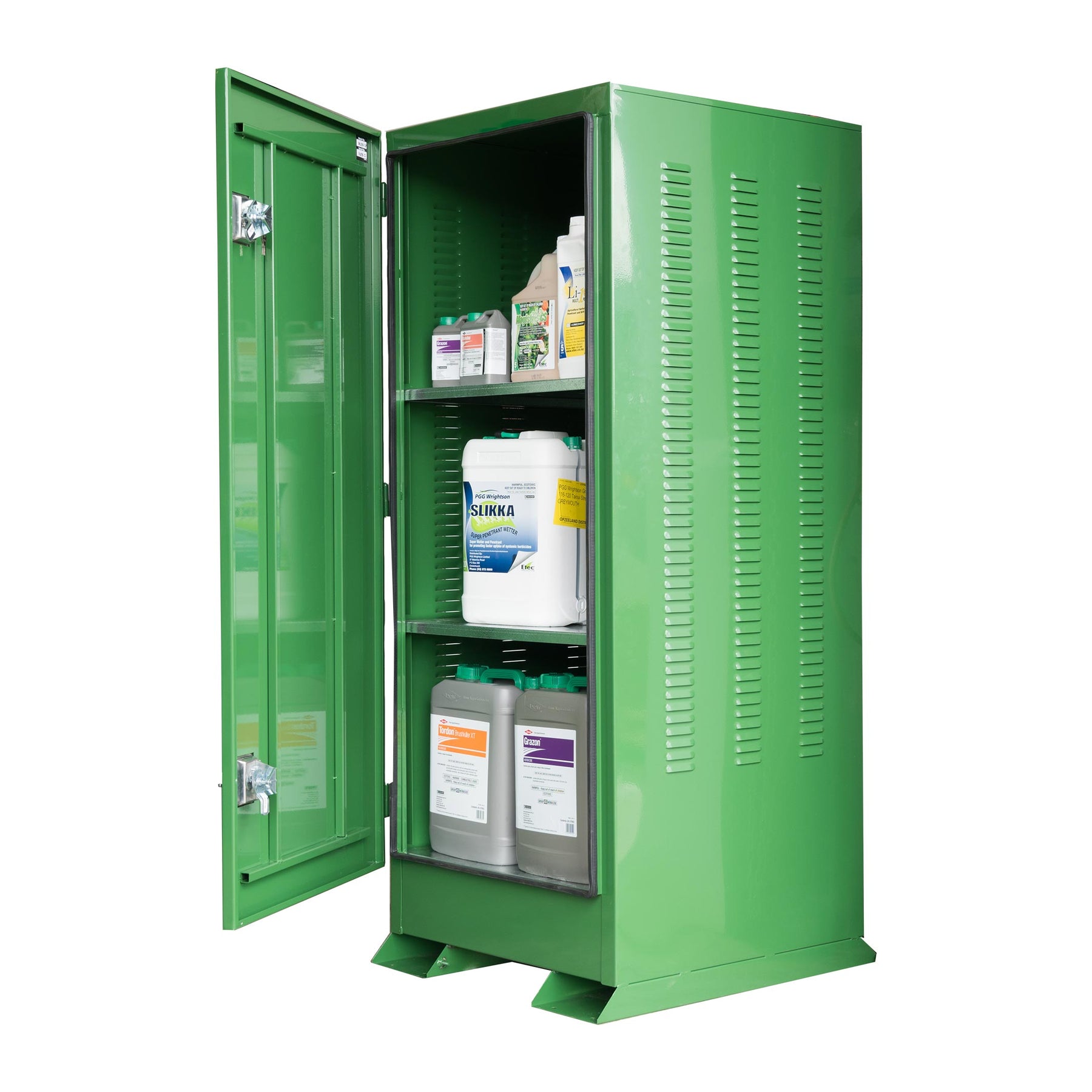
- Secure, ventilated storage areas
- Approved secondary containment (especially for fuels and large volumes)
- Proper labelling
- Clear hazard signage
- Spill response materials available
- Protection of waterways and stormwater systems
It’s not about building a fortress.
It’s about controlling real-world risks.
The Storage Risks Most Farms Don’t See
The common gaps we see on farms include:
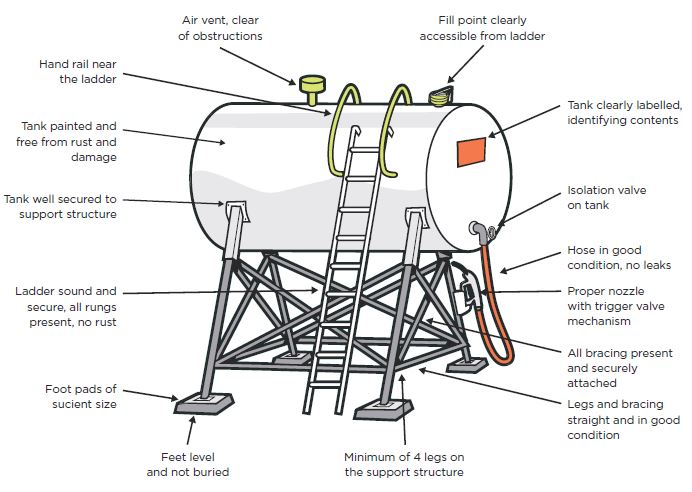
- Diesel tanks without proper secondary containment
- Chemicals stacked together that shouldn’t be
- No bunding around liquid products
- Damaged containers still being used
- SDS stored in an office nowhere near the shed
- No signage on chemical stores
- No documented emergency plan
None of these feel urgent — until something spills, leaks, ignites, or someone gets injured.
Why Storage Compliance Is a Bigger Deal Than You Think
Poor hazardous substance storage can lead to:
- Soil contamination
- Waterway pollution
- Environmental prosecution
- Injury to staff or family
- Fire hazards
- Insurance disputes
- WorkSafe investigations
It only takes one incident.
And once there’s an incident, regulators don’t ask if you “meant well.”
They ask what system you had in place.
What a HazSubs Gap Analysis Actually Does
A Hazardous Substances storage gap analysis is not an audit designed to catch you out.
It’s a reality check.
It looks at:
- What hazardous substances you actually have
- How they’re stored
- Whether bunding and secondary containment are compliant
- Whether signage is adequate
- Whether your SDS and register align with physical stock
- Where you’re exposed
It separates:
- Immediate legal risks
- Environmental risks
- Medium-term improvements
- “Nice to fix” items
Instead of guessing, you get a clear map.
Why Most Farmers Don’t Know Where Their Gaps Are
It’s not neglect.
It’s gradual drift.
Chemicals accumulate.
Storage shifts.
Rules update.
Staff change.
Labels fade.
Over time, compliance quietly slips sideways.
A gap analysis pulls it back into focus.
How ChemMatrix Helps Farmers Get Control
This is where ChemMatrix comes in.
ChemMatrix works with farmers to:
- Review hazardous substances storage setups
- Conduct practical HazSubs gap analysis
- Build compliant Hazardous Substances Registers
- Align SDS with what’s physically on site
- Identify bunding and containment requirements
- Develop workable improvement plans
This isn’t theory from a city office.
It’s structured, farm-focused compliance guidance that makes sense in a rural environment.
ChemMatrix doesn’t just point out problems — it helps you fix them in manageable steps.
The Real Benefit of Doing This Properly
When storage compliance is sorted:
- Risk drops
- Stress drops
- Staff confidence rises
- Environmental exposure reduces
- Inspections become straightforward
- Insurance conversations become easier
It moves you from “hope we’re fine” to “we’ve got this under control.”
Final Word for Farmers
Hazardous substances are part of modern farming.
The risk isn’t having them.
The risk is not knowing whether they’re stored correctly.
A proper HazSubs storage gap analysis gives you clarity.
Professional support from ChemMatrix.co.nz gives you direction.
Know what you have.
Store it properly.
Close the gaps before someone else finds them for you.
Make Enquiry