Asbestos Soffits & Eaves – What NZ Tradies Must Know Before Removal
Asbestos Soffits & Eaves: The Quiet Asbestos Trap That Catches Tradies Out

4
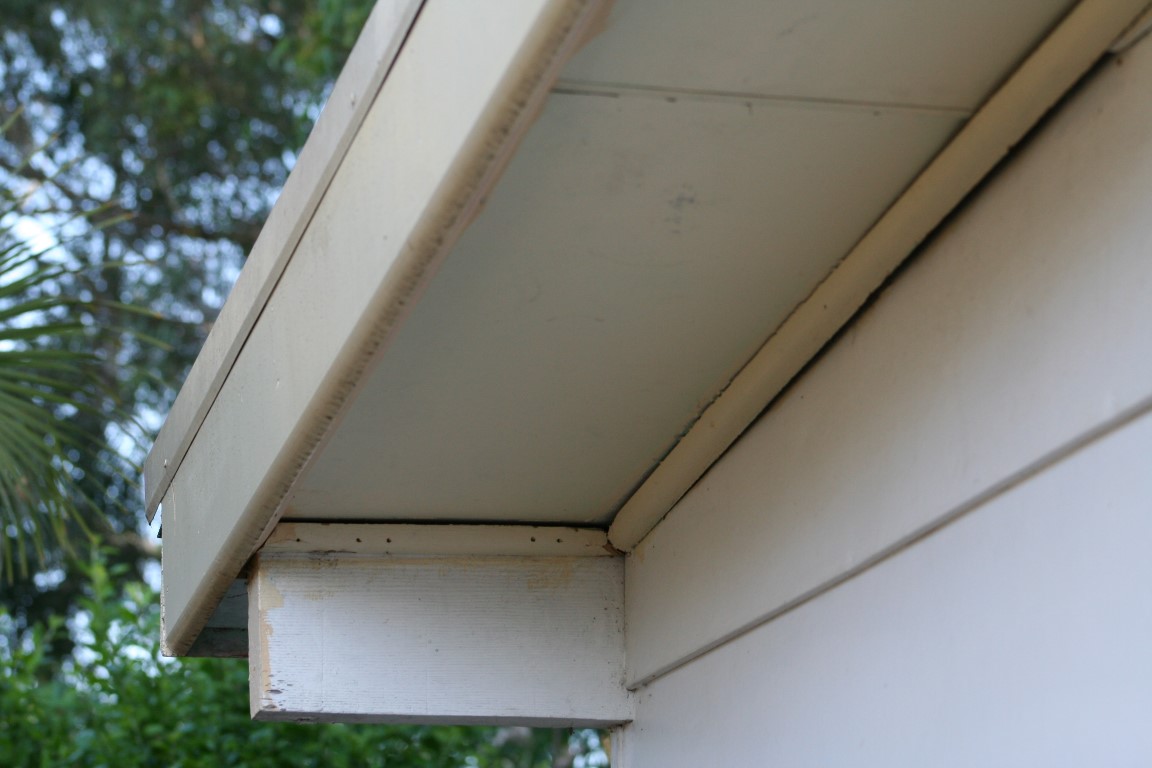
Soffits and eaves don’t look dangerous. They sit up there quietly, out of the way, doing their job year after year. That’s exactly why asbestos in soffits and eaves catches so many tradies off guard.
If you’re a builder, roofer, painter, gutter installer, or sparky working on older houses in New Zealand, soffits and eaves are one of the most common asbestos products you’ll ever touch — and one of the easiest ways to end up in trouble if you get it wrong.
This article explains the rules around asbestos soffits and eaves, what you’re legally allowed to do, what you’re not, and why using Propertyhelp Ltd, a Class B qualified asbestos removal company, is often the safest and smartest option.
Plain language. No nonsense.
Why soffits and eaves are high-risk
Most soffits and eaves installed before the late 1990s are fibre cement sheets containing asbestos. They’re usually:
- Thin
- Brittle
- Weathered
- Overhead
That last part matters.
Working overhead means:
- Dust falls straight down
- Breakage is hard to control
- Fibres land on scaffolding, clothing, and hair
- Clean-up becomes a nightmare
Soffits don’t forgive shortcuts.
Where tradies commonly strike asbestos soffits
Asbestos soffits and eaves show up during:
- Re-roofing jobs
- Gutter and fascia replacement
- Installing new spouting
- Painting and prep work
- Adding lights, vents, or cameras
- Demolishing garages or carports
Often the job starts clean — then one sheet cracks, and everything changes.
What the law actually says (no legal waffle)
Under the Health and Safety at Work Act 2015 and the Asbestos Regulations 2016, asbestos soffits and eaves are regulated asbestos-containing materials.
Here’s what that means for tradies:
- Asbestos must be identified before work starts
- If asbestos is present, removal is regulated
- Most soffit and eave removal is Class B asbestos removal
- Class B removal must be done by a licensed Class B removalist
- “Careful removal” by an unlicensed tradie is not allowed
Once asbestos is disturbed, the rules apply — whether you meant to or not.
When soffit work becomes Class B asbestos removal
Soffits and eaves almost always fall under Class B when:
- Multiple sheets need removing
- Fixings must be pulled
- Sheets are cracked or fragile
- Access is difficult or overhead
- Power tools would normally be used
If the material can’t be removed whole, intact, and without breakage, it’s not DIY work.
What tradies should NOT do (but still happens)
Let’s call it out:
- Don’t snap soffit sheets to get them down
- Don’t drill or saw them dry
- Don’t remove fixings without wet methods
- Don’t let labourers “handle it gently”
- Don’t drop sheets into a skip
- Don’t bag it as general waste
All of that is illegal once asbestos is involved.
Why using Propertyhelp Ltd is the smart play
Propertyhelp Ltd is a Class B licensed asbestos removal company, meaning they can legally remove asbestos soffits and eaves — safely and properly.
What that means for tradies
- Licensed Class B asbestos removal
- Controlled wet removal methods
- Correct PPE and decontamination
- Safe handling of overhead asbestos
- Compliant waste transport and disposal
- Paperwork that stands up to WorkSafe scrutiny
You get a clean, safe site — and you stay out of the firing line.
The real benefit tradies don’t think about
Using a professional asbestos removalist:
- Prevents job shutdowns
- Protects your insurance
- Keeps your workers safe
- Avoids costly clean-ups
- Protects your reputation
It also shows clients you’re professional — not reckless.
How experienced tradies handle asbestos soffits
The smart workflow looks like this:
- Suspect soffits identified
- Work pauses
- Propertyhelp Ltd removes under Class B
- Site is cleared and documented
- Tradies return and carry on
No panic. No finger-pointing. No delays.
Final word for tradies
Asbestos soffits and eaves are one of the easiest places to get caught out because they look harmless — until they break.
If the building’s old and the soffits are fibre cement, assume asbestos and stop.
Bringing in Propertyhelp Ltd isn’t slowing the job down — it’s keeping your business alive and your crew healthy.
Make Enquiry