Does My House Have Asbestos? The Straight-Up NZ Guide Homeowners Actually Need
How to Know If Your Home Has Asbestos (Without Guessing or Gambling)
Let’s not sugar-coat it — if your house was built or renovated before the late 1980s in NZ, there’s a fair chance asbestos is lurking somewhere. Not always dangerous… until you start poking it.
This isn’t about panic. It’s about knowing what you’re looking at before you swing a hammer or call in a tradie.
🧱 First Clue: The Age of Your Home
If your place was built:
- Pre-1985 → High likelihood of asbestos
- 1985–1999 → Still possible
- Post-2000 → Much less likely
Back in the day, asbestos was the “go-to” for durability, fire resistance, and cost. Builders used it everywhere — not because they were careless, but because it worked.
🔍 Where Asbestos Hides (The Sneaky Spots)

 5
5
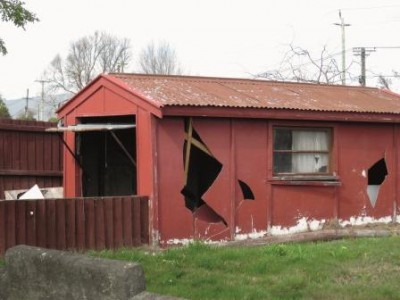
You won’t always see a big warning sign. It’s usually hiding in plain sight:
Outside the house:
- Soffits (under the eaves)
- Cladding (flat sheet or textured)
- Old corrugated roofing
- Fencing panels
Inside the house:
- Vinyl floor tiles (especially old, brittle ones)
- Backing boards in bathrooms and kitchens
- Old heater flues
- Ceiling tiles
👉 If it looks like cement board but feels a bit too light or fibrous… don’t trust it.
⚠️ What Asbestos Looks Like (Spoiler: It Doesn’t Look Dangerous)
Here’s the trap — asbestos doesn’t scream danger.
It can look like:
- Normal cement sheet
- Painted wall panel
- Old lino backing
- Even textured coatings
👉 You cannot confirm asbestos by sight alone. Anyone who tells you otherwise is guessing.
🚫 The Biggest Mistake Homeowners Make
They start:
- Drilling
- Cutting
- Sanding
- Demolishing
…without checking first.
That’s when asbestos becomes a problem — when fibres go airborne. That’s the stuff that gets into lungs and causes long-term damage.
🧪 The Only Way to Know for Sure
You’ve got two proper options:
1. Get it tested (best option)
- Small sample taken safely
- Sent to a lab
- You get a confirmed answer
2. Treat it as asbestos
- If in doubt → assume it is
- Manage it or remove it safely
👉 Testing is cheap compared to getting it wrong.
👷 When You Need a Professional
If asbestos is confirmed (or even suspected), don’t muck around.
This is where a company like Propertyhelp Ltd comes in — a Class B asbestos removalist that deals with:
- Non-friable asbestos (cement board, cladding, roofing)
- Safe removal and disposal
- Containment and clean-up
- Making your home safe again
They don’t just rip it out — they control the risk properly so you’re not breathing it in later.
🧠 Real Talk: DIY vs Getting It Done Properly
DIY (not recommended unless minor & controlled):
- Risk of exposure
- No containment
- No clearance certificate
Using a professional:
- Correct procedures
- PPE and containment
- Waste disposed legally
- Peace of mind (this is the big one)
🧾 Final Word (No Fluff)
If your home’s got a bit of age to it, asbestos is part of the story — whether you like it or not.
The smart move isn’t to panic.
It’s to pause, check, and deal with it properly.
👉 If you’re unsure, don’t guess.
👉 If you’re renovating, don’t rush.
👉 And if it’s there — call someone who knows what they’re doing.
Propertyhelp Ltd is one of those crews — practical, qualified, and not there to muck you around.
Make Enquiry